As someone who follows many different art institutions on social media, exhibition advertisements are inescapable. Even peers who are not as interested as art, will no doubt be familiar with one of NGV’s blockbusters, or have gone to them personally. Posing in front of a work at the NGV for an Instagram post or reel thus, further helps the NGV to market their exhibitions to a wider audiences, and the less art-centric the audience, the better. Even when looking through job advertisements for art gallery jobs, there is almost always a demand for a social media manager, or arts/cultural programmer (which, often in the job description will have a task dedicated to social media or marketing). Arts marketing is prevalent. And why wouldn’t it be, when this is what brings audiences into galleries and museums and provides money to the arts sector? Given how little funding the arts have, it makes sense that marketing would be so crucial to any arts organisation, big or small. Marketing draws people in, and sells to audiences the novel and exciting experience of the exhibition.
But what about what goes on behind the scenes? Enter art conservation. Unlike the elaborate exhibition displays of a blockbuster, conservation is the hidden and less-glamorous side to the arts. Although not formerly trained as a conservator, I did do my studies in Art Curatorship, and having knowledge in preventative conservation was still necessary for me to pass my masters. This is because having some sort of understanding about how to store, record, look after and retrieve objects within an art collection are tasks that are inescapable for a curator. It is not enough to simply know how to write about the works you are exhibiting, or even how to make them look appealing on the wall, but how to ensure their longevity and mitigate any further deterioration. If works are in poor condition, or are in desperate need of restoration work by a conservator, they can’t be displayed (which of course becomes a problem for the curator to deal with, because they would have to find work more suitable for an exhibition).
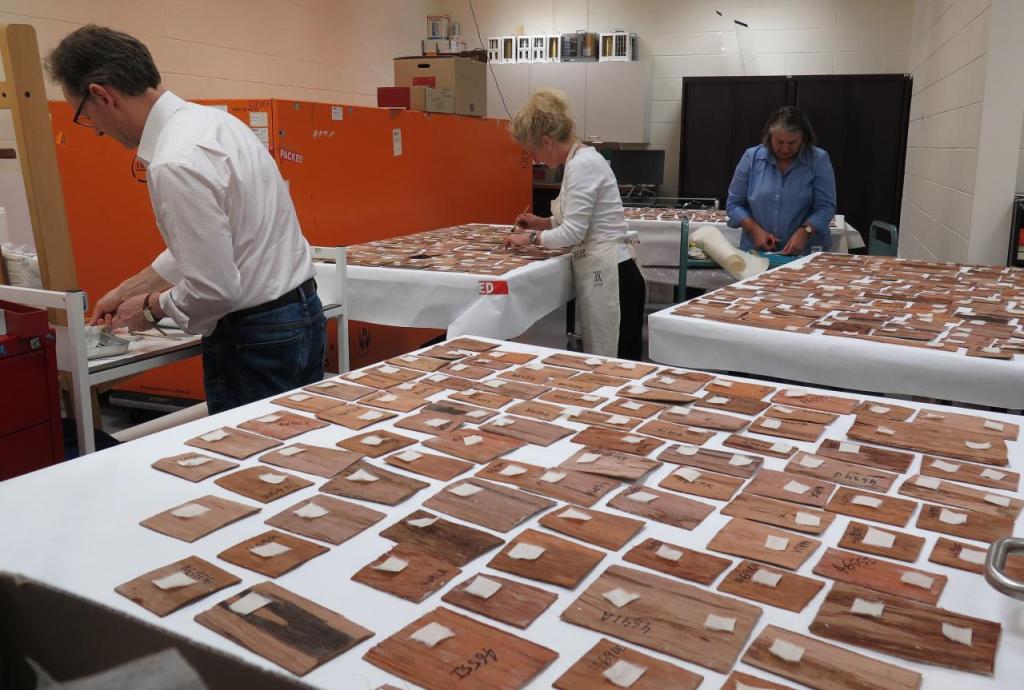
So where am I going with this? I do believe marketing is a significant part of the arts, but I also find conservation equally important. Unfortunately however, there seems to be a lack of understanding and knowledge about art conservation as a whole. If asked, most people would assume that a conservator’s task is to touch up and restore old artwork, and nothing more. Yet conservation requires so much more than that, from environmental controls, transport and storage, to cataloguing and documenting works in the collection. Going back to my previous example, if you were to look up the latest news about art conservation, or jobs in the field, there would be far fewer results (100 jobs on Jora compared to 665 Arts Marketing jobs on the same website). Conservation appears as more of a specialised field, a niche in comparison to marketing. It is worth noting that institutions such as NGV, Heide, Bendigo Art Gallery and Shepparton Art Museum (to name a few) have included PDFs of their conservation practices on their websites. Some have even included images of various conservation processes (shown below). But even then, this pales in comparison to the effort put into marketing exhibitions. The PDF documents in particular, seem to be there more to follow a protocol and provide transparency, rather than created to honour the work of the invisible workers. Audiences, including potential patrons of the arts, would see the exhibitions in their splendour, without knowing the hours of sitting in a dark room cataloguing or carefully packing objects into boxes that ensure these works look their best. All this work requires not only proper training, but also money to ensure adequate temperature control systems are used, lighting that won’t deteriorate light-sensitive works and also tools for storage and conservation. While such roles can be voluntary, these tasks are far more labour-intensive than simply invigilating an artwork on display, and thus, workers need to be adequately compensated for their efforts. Yet unless one were to research more thoroughly into an arts organisation, this process is unknown. It is the final result, rather than the process that matters more to audiences, when in actuality, the exhibition (and indeed, the experience that comes with it) could not happen without the arduous work and effort of conservation.
Fortunately, there have been some efforts made to bring the exhibition-making process to audiences’ awareness. And given how useful arts marketing is to institutions, there is room for social media to be used as a tool to shed light on the work of conservators. More often than ever before, cultural institutions have shown videos of workers handling artwork, painting the walls and putting together the exhibition. All this is essential in not only informing audiences of the process behind exhibition installation, but also makes clear the complex and labour-intensive nature of the task, making audiences appreciate exhibitions more. Although a lot more technical and not as colourful as exhibition making, giving audiences a glimpse of the conservation efforts will provide a more compete picture of the work behind the scenes. In showing the processes of caring for an artwork or collection, this will make the public care more about the work that conservators do, rather than just the result of their efforts. It is only through greater awareness that this will provide more acknowledgement to conservators and potentially, more financial support to better look after and ensure the longevity of collections for years to come.
 Critical Art Writings
Leave a comment