From seeing these exhibitions, all these conceptual works of art are at odds with the heritage site of Bundoora Homestead. If viewed under the lens of institutional critique, the motivations behind these do make sense: All these exhibitions challenge colonial structures through environmentalism, anti-capitalism, queerness and femininity. All these messages are valid and do hold significance in today’s age. Yet, such messages are only clear by reading contextual labels. For audiences without a curatorial or art background, all these exhibitions appear more as found objects and nothing more. Conceptual art can be very straightforward to understand, yet aside from Female Trouble, (which is better placed in a different context) the majority of these exhibitions require at least a Bachelor’s Degree in curating to understand these messages.
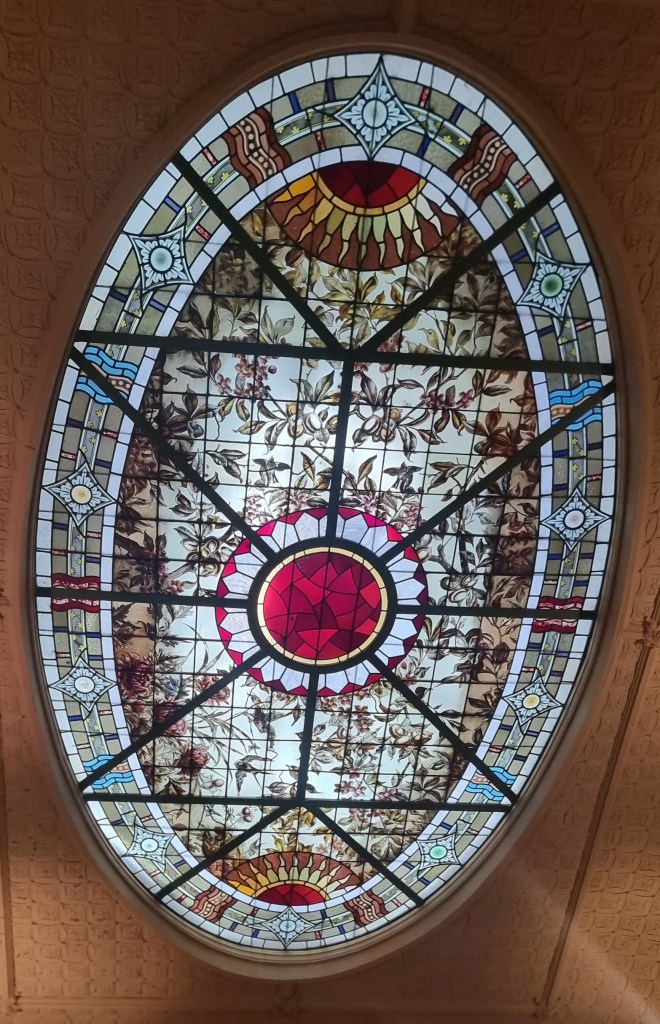
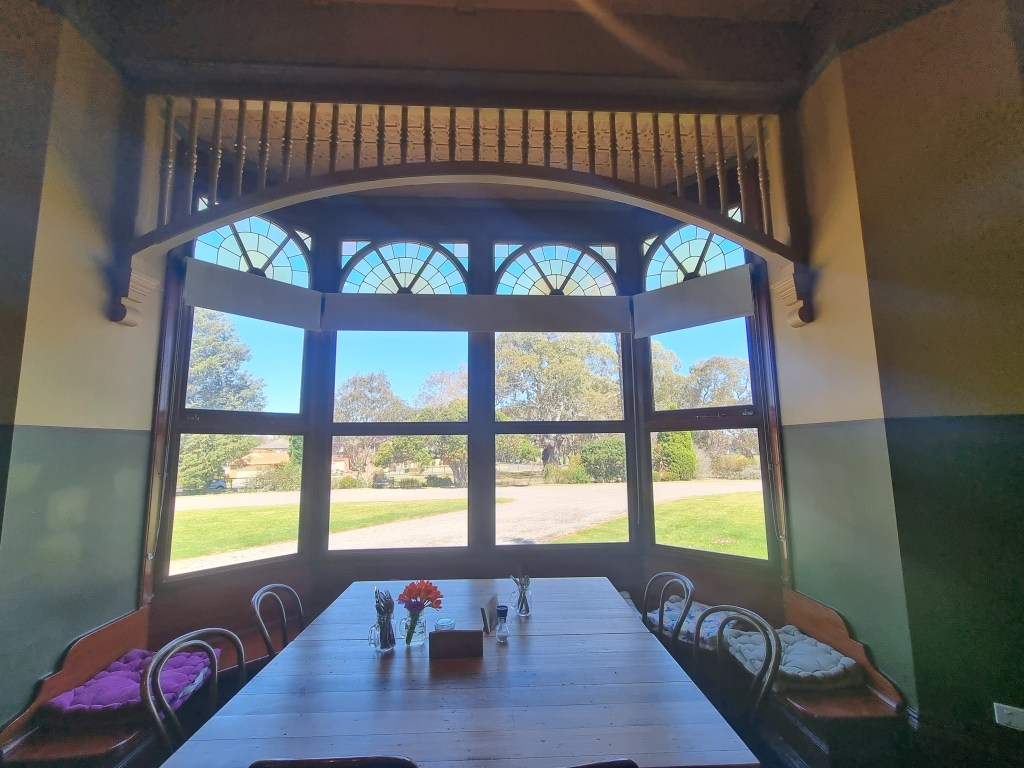
Looking back at the history of the homestead in the introduction, this is a space that has a community purpose: to help and look after people. And in the 90s when it was opened up as a community arts space, it was probably expected to continue to serve the community. Even with programs and workshops connected to the exhibitions, the style of these exhibitions are still largely inaccessible for a large part of the general public. Is the Bundoora Homestead, then, really honouring its legacy as a community space? Seeing how deserted the gallery spaces are, and even the cafe, is very telling that audiences are being alienated by the exhibition program. Rethinking and reprogramming gallery spaces to allow art that the general public can connect with, would be a better use of this homestead. Members of the public, artist collectives or local art societies could be invited to produce work inspired by the decorative aesthetics of the architecture (e.g. stained glass windows), or the grounds in Bundoora Park. Inviting the public to respond to the homestead with memories they had inside the mansion, or in the surrounds, would be keeping in line with the tradition of the way the homestead was built: through public invitation. Given how scarce arts funding is, the Darebin Council could charge a small fee for each artist who is interested to exhibit, which will no doubt generate a lot of interest and entries. The professional hanging systems, clean white walls and lighting (which fulfills conservation standards) are all ideal for a large scale public exhibition of various mediums. Why then are we only being restricted to just conceptual art?
Now, I am not saying that conceptual art should not be allowed to be exhibited. This is not a review that bashes conceptual art, as I do believe some conceptual art can hold very important messages for today’s society. Yet, there are few examples of conceptual art that can be understood by audiences without an institutional background, let alone an arts background. The Bundoora Homestead can still have conceptual art, but combine such installations with exhibitions of more traditional mediums, so to draw in a larger crowd. Otherwise, if Darebin Council prefers to stick to a program of conceptual art, future exhibitions might be better off responding more directly to the history or the architecture of the site in general. Arranging by Chance does do this to a lesser extent, yet the execution needs to be more explicit, rather than audiences relying on a wall label to see and understand the motivation. By having accessible themes and a mix of traditional and conceptual art, this would encourage more audiences to visit and engage with the works.
The Bundoora Homestead is a remarkable building, with spaces well suited to a variety of exhibitions that can draw in many different audiences. This begs the question as to why there is such a strong focus on conceptual art before any other art forms. Given how effective the Truth Telling Display is, there is certainly capability among the curatorial team to stage more engaging exhibitions that can interest the public and better tell its history. All the themes of these exhibitions have importance and a place, yet more thought should go into how exhibitions can respond to the heritage of the homestead. Although site-specificity and institutional critique are all valid subjects in exhibitions, wouldn’t it be better for the public, and consequently, the artists, if Darebin Council reprogrammed exhibitions that were more accessible and better understood? This would make the messages that artists are trying to tell us, more powerful, and thus, inspire further thought and action. By having more engaging and accessible exhibitions, only then can more support go into the arts, while enriching the community as a whole.
All exhibitions mentioned are on until the 14th of February 2026. If you’ve seen any these exhibitions, feel free to share your thoughts in the comments below!
Only just read this and confused with what I’ve been going on about? You can read the start of this multi-part review here.
 Critical Art Writings
Leave a comment